
 |
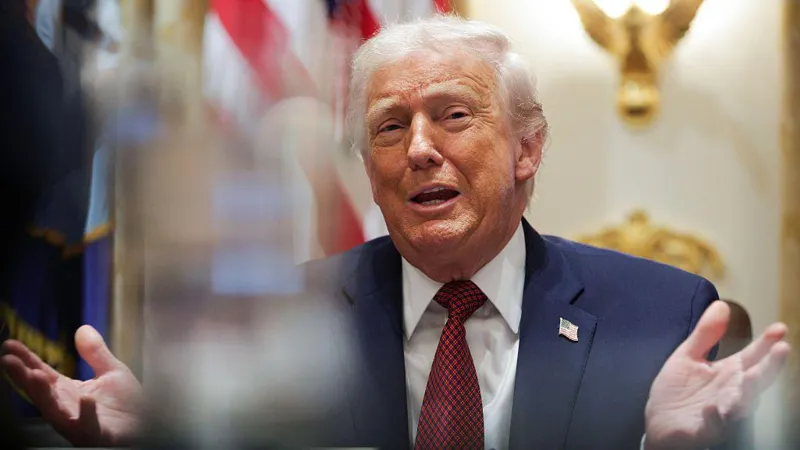
| Donald Trump has repeatedly laid the blame for economic concerns on the Democratic Party and Joe Biden (image: Reuter/bbc) |
On Tuesday, US President Donald Trump will hold a rally in Pennsylvania where he is expected to address voter concerns about the rising cost of living and defend his economic record. His trip to the town of Mount Pocono comes as polls suggest public trust in his administration's handling of the economy is waning, prompting unease among some Republicans who expect a tough fight to retain control of Congress in next year's midterm elections.
In contrast, Democratic candidates made affordability a central part of their successful campaigns in a series of November elections, with some considering it a potential path to victory in the following year. Trump, who has repeatedly blamed his predecessor Joe Biden for the lingering economic difficulties, has increased his focus on the cost of living since those elections.
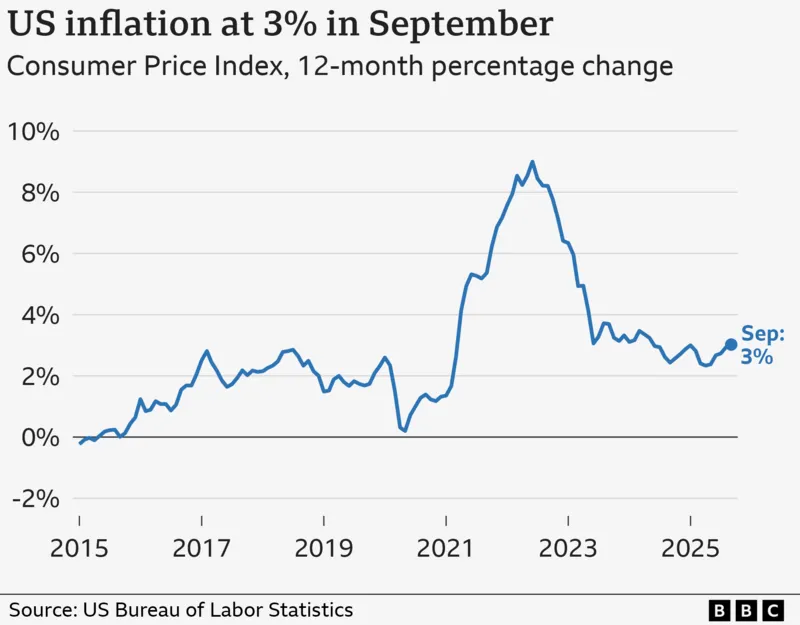
"You can call it 'affordability' or anything you want," he told reporters at the White House on Monday. "However, the affordability issue was started by Democrats, and we are the ones who are fixing it." He stated that his administration was "significantly lowering prices." Economic data from September shows the US inflation rate hit 3% for the first time since January, while consumer confidence fell to its lowest level since April due to concerns over the cost of living, jobs and the wider economy.
 |
| image credit: BBC |
Susie Wiles, White House Chief of Staff, stated that it will be the first of a series of campaign-style events that will be comparable to those held during Trump's successful presidential campaign last year. She stated that Trump would engage in aggressive campaigning to support Republican candidates even though he will not be on the ballot in 2026. "I haven't quite broken it to him yet," Wiles, who helped manage Trump's presidential campaign, said in an interview with the "Mom View" podcast on Monday. But he's going to campaign like it's 2024 again."
Trump has defended his economic record by pointing to a number of measures that, according to him, will help ease the financial pressures on voters. These measures include an agreement to lower the cost of prescription drugs, lowering car fuel efficiency standards, extending previous tax cuts, and providing new tax benefits under the "One Big Beautiful Bill" that he signed into law in July. On Monday, Trump also unveiled a $12bn farm aid package aimed at helping farmers impacted by low crop prices and tariffs.
In a statement to the BBC, White House spokesman Kush Desai stated, "Putting an end to Joe Biden's inflation and affordability crisis has been a Day One priority for President Trump." Democrats have honed in on the cost of living, seeking to cast the blame for US "pocketbook issues" on the Trump administration's policies.
Prior to Trump's event, Pennsylvania Governor Josh Shapiro told MS Now, "I want to make sure that we're setting the record straight, showing how his policies are screwing over farmers and manufacturers, making stuff cost more every day." "Folks can't unsee what they see when they go to the grocery store, which is that beef and O.J. and bread and the normal staples that they need in their homes, those prices have dramatically increased on Donald Trump's watch," he said.
Trump has often pointed to the decline in cost for items such as egg and gasoline, but according to government data, prices are rising for other popular items such as beef, bananas and coffee.
The data indicate that, with the exception of one recorded decline in April, grocery prices have increased monthly since Trump took office in January. Professor David Ortega, a specialist in food economics, stated to BBC Verify last month, "The president of the United States has very little control over the price of food, especially in the short term." Trump's tariffs are driving up prices of certain foods, he said - a third of coffee consumed in the US comes from Brazil and therefore has a 50% tariff.
According to Ortega, Trump's crackdown on illegal immigration may have also had an effect, particularly in farming, where up to 40% of workers are thought to be undocumented.
News Source: BBC News


 Posts
Posts


0 Comments