
 |
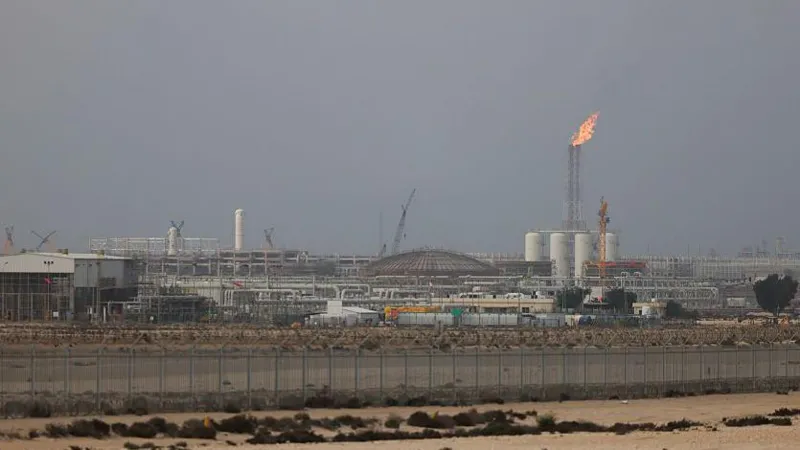
| QatarEnergy's operating facilities in Ras Laffan Industrial City, seen earlier in March (Image: Getty Images) |
If Iran attacks its ally Qatar once more, US President Donald Trump has threatened to blow up a major gas field there. Trump issued the threat after Israel struck Iran's South Pars, which is a portion of the largest natural gas field in the world. Iran responded by striking a Qatari energy complex, causing "extensive damage" and a rise in energy costs. While Israel has not officially confirmed its attack on the gas field, the US president said the US "knew nothing" about its ally, which had "violently lashed out" at Iran "out of anger for what has taken place in the Middle East".
After the United States and Israel launched extensive strikes against Iran on February 28, conflict in the region continues.
Read More: Why did US and Israel attack Iran and how long could the war last?
Tehran has responded by launching attacks on Israel and US-allied states in the Gulf. Israel is also fighting Iran-backed Hezbollah in Lebanon, where more than a million people have been displaced.
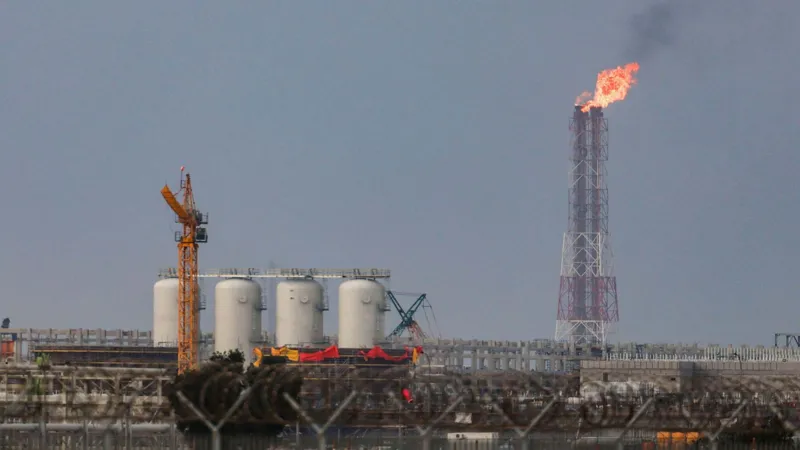 |
| QatarEnergy's operating facilities in Ras Laffan Industrial City (Image: Getty Images) |
Oil prices leapt to nearly $110 (£83) a barrel after Israel's attack on the South Pars site, which is located offshore between Iran and Qatar.
"Consequences beyond control, the scope of which would engulf the entire world" was Iran's President Masoud Pezeshkian's warning following the Israeli attack. Verified images of the strike showed smoke rising from at least two impacts.
Iran retaliated by striking Qatar's Ras Laffan site on Wednesday and early on Thursday.
The largest liquefied natural gas (LNG) processing facility in the world can be found in the industrial area known as Ras Laffan. Following the first attack, state-owned petroleum company, QatarEnergy, said "extensive damage" had been caused to the site, but all personnel were accounted for.
After the site was hit for a second time, Qatar's interior ministry said all fires at the energy facility had been brought under control without any reported injuries.
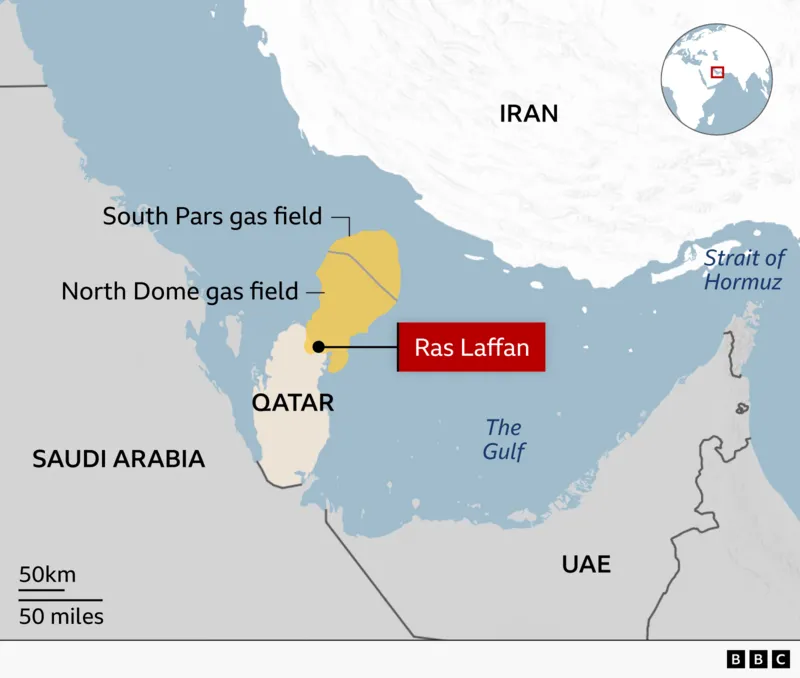
Trump stated that "Qatar was in no way, shape, or form, involved with" Israel's attack on the Iranian gas field and that Iran's retaliatory attacks on Qatar's Ras Laffan were made "unjustifiably and unfairly" in a strongly worded social media post early on Thursday. If Iran did strike Qatar again, Trump threatened that the US would "massively blow up the entirety of the South Pars Gas Field at an amount of strength and power that Iran has never seen or witnessed before".
"If Qatar's LNG is again attacked, I will not hesitate to do so," he said, adding that he did not want to authorize "this level of violence and destruction because of the long-term implications" for Iran. The Wall Street Journal quoted unnamed US officials prior to Trump's statement as saying that Trump supported the strike on South Pars to send a message to Iran about its restrictions on tanker traffic through the Strait of Hormuz, one of the busiest oil shipping lanes in the world, but did not want to see any more strikes like this. "The Israeli targeting of facilities linked to Iran's South Pars field, an extension of Qatar's North Field" was described as a "dangerous and irresponsible step" by a spokesperson for the Qatari foreign ministry. The UAE and Oman also condemned the attack.
The first Iranian attack on Qatar's Ras Laffan oil site was later described as "brazen" and a "direct threat to its national security and the stability of the region" by the Qatari government. According to a statement released by the ministry, "The Iranian side continues its escalatory policies that are pushing the region toward the abyss and drawing in countries that are not parties to this crisis into the circle of conflict." It added that Qatar "reserves its right to respond".
It was ordered that two Iranian diplomats and their staff leave Qatar within 24 hours. The attacks on the oil field have further destabilised energy markets.
On wholesale markets in the UK and Europe, the price of gas rose by more than 25% in early trading on Thursday before easing slightly. The price of gas in Europe is more than double the level seen before the conflict began.
Source: BBC


 Posts
Posts


0 Comments