 |
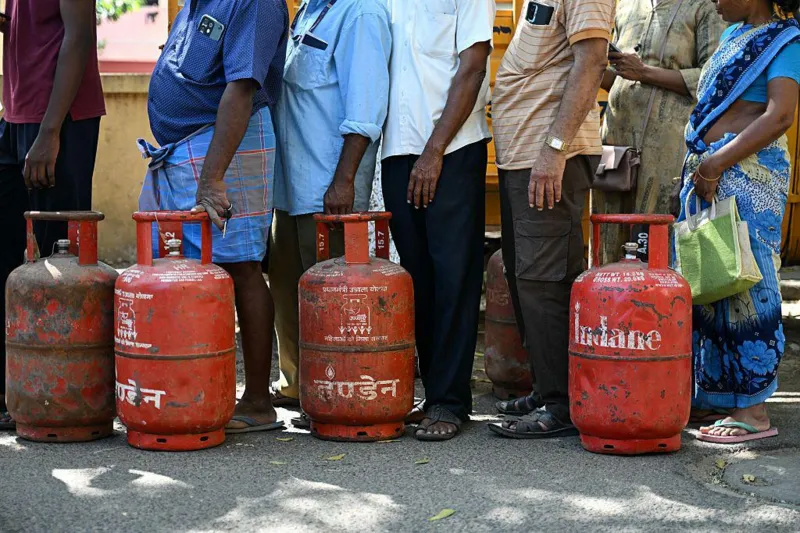
| People queue up to buy cooking gas cylinders for domestic use in Chennai (Image: AFP/ Getty Images) |
India's kitchens are now experiencing the shockwaves of a war that is being fought nearly 3,000 kilometers away. India is experiencing a shortage of liquefied petroleum gas (LPG) as a result of the US-Israeli strikes on Iran, which have made it more difficult for energy shipments to pass through the Strait of Hormuz. As a result, restaurants are being forced to reduce their menus, reduce their operating hours, and in some instances, completely cease operations. As concerns about fuel supplies spread, video clips of people queuing in front of cooking-gas dealers in Indian cities and towns are flooding social media. Commercial LPG users appear to be the most affected, with restaurant kitchens feeling the most squeeze. "The circumstance is dire. According to Manpreet Singh of the National Restaurant Association of India, which represents approximately 500,000 restaurants, "cooking gas simply isn't available." According to him, most restaurants use commercial LPG cylinders or piped gas, and there are currently shortages all over the country. "Many restaurants have closed, some in Delhi and many in the country's south," To keep kitchens running, people are using electric, coal, and wood stoves. According to media reports, as commercial LPG supplies tighten, up to a fifth of Mumbai's hotels and restaurants are already closed completely or partially. Some restaurants in the southern cities of Bengaluru and Chennai claim that they no longer have enough gas on hand. "It is nothing less than pathetic that we can only make coffee. "Businesses are going to suffer," asserts Haroon Sait, who owns a Bengaluru-based restaurant and artisan bakery chain.
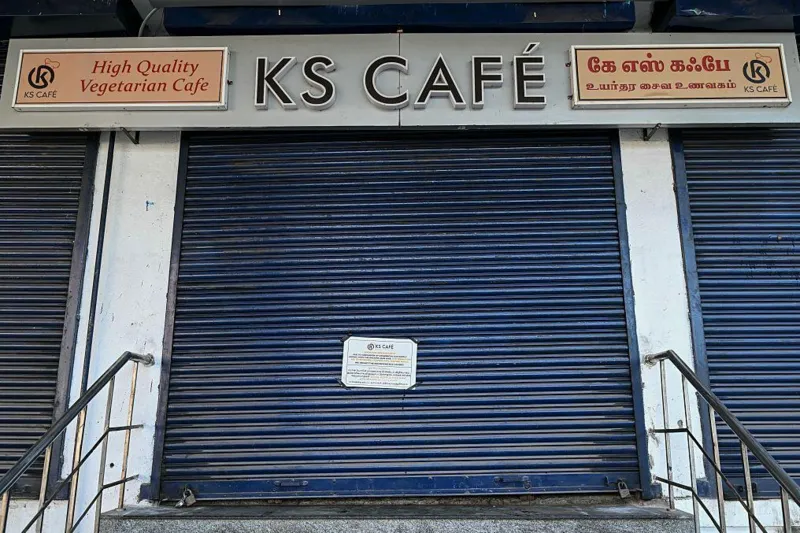 |
| A restaurant in Chennai which has shut down due to a shortage of cooking gas(Image: Getty Images) |
Restaurant owners are trying to keep up. According to Singh, "menus are being curtailed, some are cutting lunch service and opening only for dinner," and closures fluctuate as supplies fluctuate. "Two of the three restaurants in Delhi that were closed yesterday have reopened. It's a moving target." Electric cooker sales have increased, and some retailers claim to be out of stock. However, the government maintains that there is ample supply. As tensions from the war in the Gulf ripple through energy markets, officials in India claim that supplies are being redirected to households, which has more than 300 million domestic LPG users. Roughly 60% of India's LPG is imported, and about 90% of those shipments pass through the Strait of Hormuz, the narrow Gulf chokepoint now effectively closed by the conflict.
According to the oil ministry, on March 8, it instructed refineries to maximize LPG output for household use, increasing domestic production by approximately 25%. Distribution will be "fair and transparent," and non-domestic supply will be prioritized for essential sectors like hospitals and educational institutions. "Misinformation has sparked some panic booking and hoarding. Sujata Sharma, a senior petroleum ministry official, states, "The typical delivery cycle for domestic LPG remains approximately two and a half days." The fear is now reaching beyond kitchens. A viral video from Chennai shows a long, winding line of motorcycles outside a gas station on X. The caption states, "The panic is real."
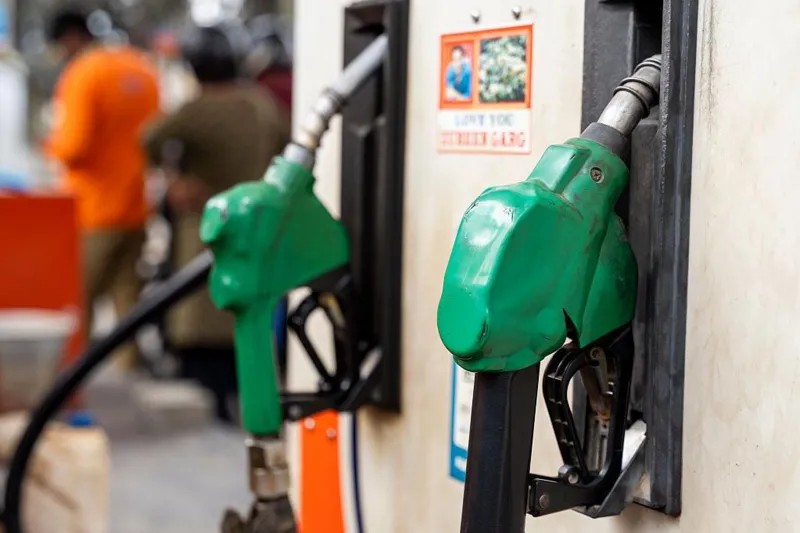 |
| India imports up to 90% of the oil it consumes, leaving it highly exposed to disruptions in global supplies(Image: Getty Images) |
Data from the
maritime intelligence firm Kpler suggests that concerns regarding India's broader fuel supplies may be exaggerated. 90% of India's oil comes from abroad. The strait is used to import roughly 2.5-2.7 million barrels of crude oil per day, mostly from Kuwait, Iraq, Saudi Arabia, and the United Arab Emirates. According to
Sumit Ritolia, a refinery and oil markets analyst at Kpler, the gap could be partially offset by higher imports of
discounted Russian crude even if crude flows through the Strait of Hormuz are disrupted. Kpler estimates that incremental Russian crude imports in March could reach approximately 1-1.2 million barrels per day, reducing India's effective shortfall from exposure to the Strait of Hormuz to approximately 1.6 million barrels per day. This estimate is based on vessel tracking and reliable market sources. Ritola told me earlier this week, "Around 25-30 million Russian oil barrels are currently floating on ships in the Indian Ocean. Despite the fact that only India and China are major buyers, those barrels remain a ready fallback." During the Iran conflict, the US eases
sanctions on Russian oil sales to India. Washington has taken note of this adaptability.
US Ambassador to India Sergio Gor said in a post on X that India had been "a great partner in maintaining stable oil prices around the world", adding that the US recognises the country's continued purchases of Russian crude as part of that effort.
This isn't all. Additionally, India is a major exporter of refined fuels. Refiners are increasingly diversifying their crude sourcing from alternative suppliers, and its net exports of refined products will average approximately 1.1 million barrels per day in 2025.
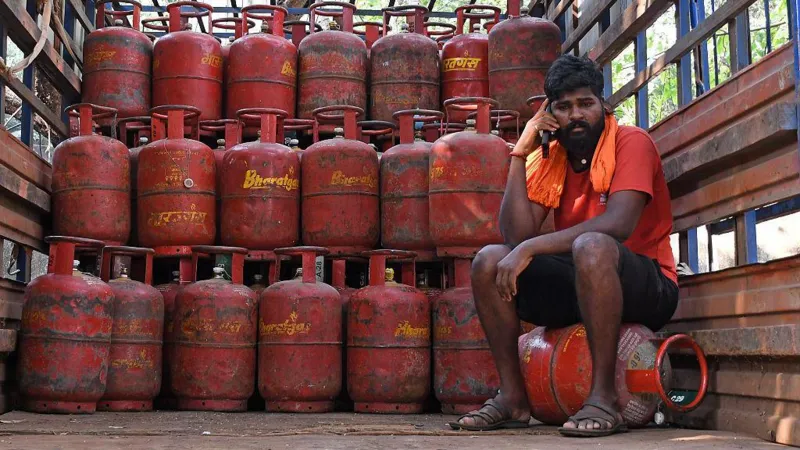 |
| India imports about 60% of its cooking gas requirements(Image: getty Images) |
According to Ritola, "this means that refined product supply for domestic demand remains comfortable" and that there are currently no indications that India will struggle to meet its internal consumption requirements. According to analysts, LPG is the actual vulnerability. India consumes roughly one million barrels a day, but produces only 40-45% domestically, importing the rest - 80–90% of it through Hormuz.
According to Ritola, refineries have the ability to modify their operations in order to extract a small amount more LPG. However, even a boost of 10 to 20 percent would only raise domestic supply to approximately 47 to 50 percent of demand, leaving the nation heavily dependent on imports. In a nutshell, "Russian flows and diversification can partially mitigate crude supply risk." Supply of refined products continues to be relatively comfortable. In the coming weeks, the real variable to keep an eye on is the availability of LPG." Not only is there a limited supply, but there have also been sporadic deliveries, which raises the dreaded issue of hoarding. The National Restaurant Association of India's Singh makes the claim of
opportunistic profiteering. "The situation is being misused by retailers, who are
black-marketing cylinders and selling them at a premium. In one small town, I heard of cylinders being hoarded and auctioned off."
Global trade flows may temporarily cushion India's oil supplies. However, in kitchens all over the country, the more immediate query is straightforward: how to acquire the subsequent cylinder.
Source: BBC


 Posts
Posts


0 Comments