
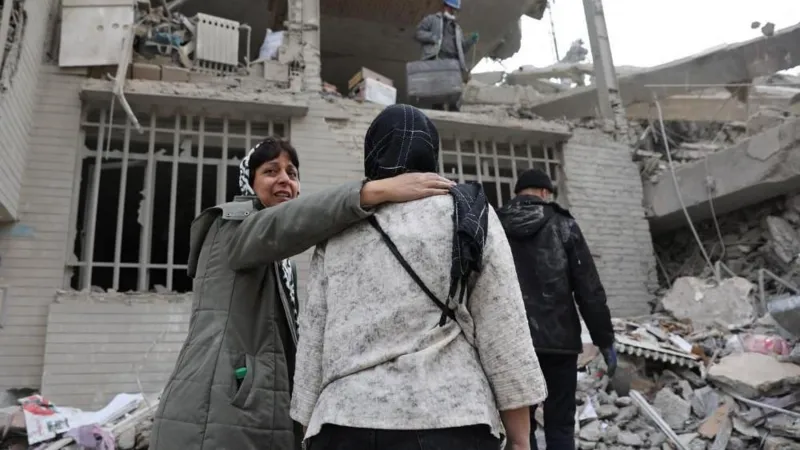
 |
| Iranians who hoped for political change now worry about their country falling into chaos (Image: Reuters) |
A resident of Tehran told the BBC, "We thought they'd kill all the senior figures and the regime would collapse in days, but we are in the second week now, and every night I wake up to explosions." She initially supported the war, but now she is becoming increasingly frustrated. The war, which initially hoped to accelerate political change, is now forcing some Iranians who oppose their country's leadership to undergo a painful reevaluation, and they are beginning to wonder whether the cost of the conflict could ultimately outweigh any political outcome. However, others maintain that external military pressure may be the only viable strategy for weakening the system.
Read More: What role has cyber warfare played in Iran?
The campaign has been largely framed as an effort to diminish Iran's nuclear and missile capabilities and threats by numerous Israeli and American officials. However, others, including US President Donald Trump, have suggested that regime change might be the ultimate goal. That suggestion initially raised hopes that external pressure might significantly accelerate that change for some critics of Iran's clerical establishment. However, conversations with Iranians inside the country suggest that the situation is significantly more complicated now. Since the conflict started, journalists have had a harder time getting in touch with people in Iran. Since February 28, authorities have shut down nearly all internet access. Despite communication restrictions, the BBC was able to speak to several Iranians who oppose the government and who initially did not oppose the idea of military action against the Islamic Republic, particularly after another uprising attempt and nationwide protests were subdued in what has become the deadliest protest crackdown in the Islamic Republic's history.
Their names have been changed for their safety, as expressing dissenting views in Iran can lead to arrest or imprisonment.
Sama, a 31-year-old engineer in Tehran, said that when news of the strikes first broke she felt a moment of hope.
She stated, "We have protested for years." "They kill us each time they silence us. I thought, "This is what the regime cannot survive," when the strikes began. When news broke that Ayatollah Ali Khamenei, Iran's Supreme Leader, had been killed in strikes carried out by the US and Israel, Sama claimed that she even celebrated with members of her family and friends. She stated, "When the big news was confirmed, I was screaming in happiness." However, she claims that the mood around her and many others has altered two weeks into the conflict.
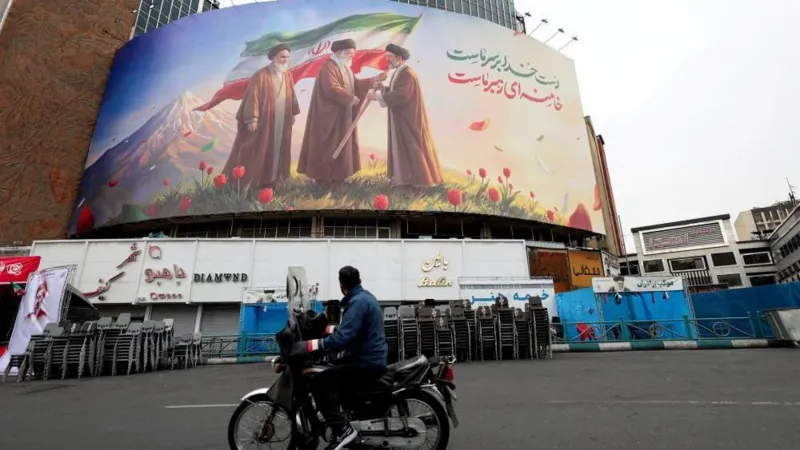 |
| Iranians who hoped for political change now worry about their country falling into chaos (Image: Reuters) |
She stated, "Now I see some are scared, and people I know are wondering if their neighborhood will be targeted next." "I can no longer sleep. Either the sound of explosions or nightmares about them wake me up. Others assert that it is becoming more difficult to ignore the potential scale of civilian suffering. According to preliminary assessments, between 600,000 and one million Iranian households, or up to 3.2 million people, are currently temporarily displaced within Iran as a result of the ongoing conflict, according to the United Nations Refugee Agency (UNHCR). It stated that the number is likely to continue rising as hostilities continue, indicating a worrying increase in the need for humanitarian assistance. Mina, a teacher in a northern city who is 28 years old, stated that she still desires an end to the ruling clerical establishment but is concerned about the long-term effects of war. She stated, "I know this fanatical regime brought us this war." "However, you start to wonder if this can ruin the country you love and live in when you see the massive fires, hear the explosions, and see young children afraid and crying." Mina stated that as the war continues and numerous senior officials remain in place, some friends who previously discussed the possibility of a regime collapse have become more cautious. "What if we are left with ruins and the same mullahs and government?" she asked. only more obnoxious and oppressive?" Others worry not only whether the government will fall, but also what will happen if it does, especially in uncontrollable circumstances.
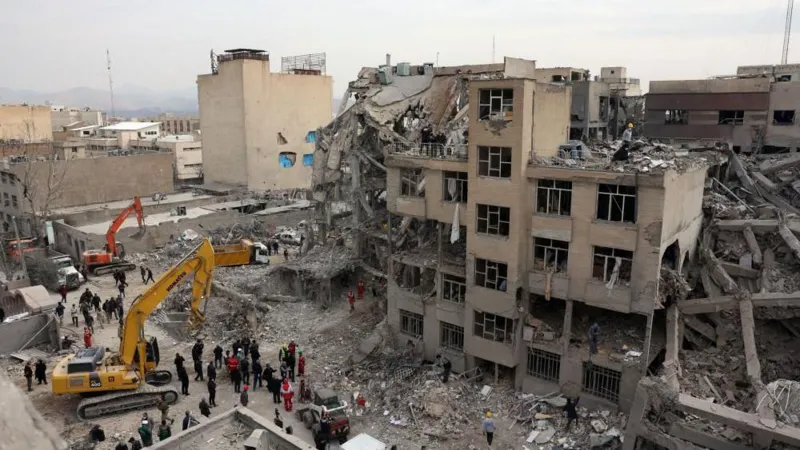 |
| US-Israeli strikes against Iran have been ongoing since 28 February, when US President Donald Trump called for a regime change to the Middle Eastern country(Image: Reuters) |
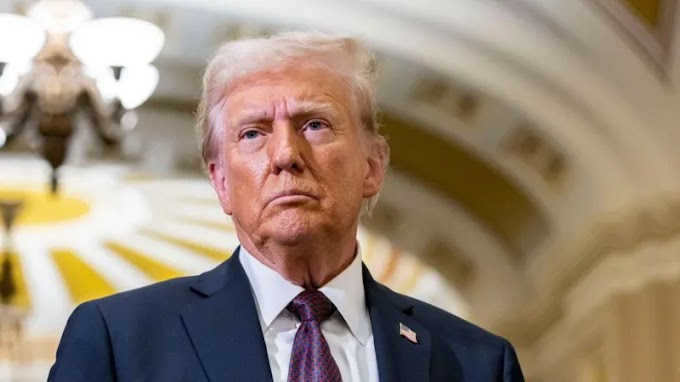
Others contend that the cost of maintaining the current system will ultimately be greater than the cost of war. Milad, who works as a software developer in the Khuzestan province in the south, said that if the government stays in power, he worries that its policies could cause even more damage. "Do these people believe that if these fanatics remain in power, there will be peace, or even less destruction than what we see in this war?" He stated. "Take a look at what they did during the so-called "peace" era: there was no economy, no water, no rights for women, and no future. "As long as those who did this to our country die alongside me, I would rather die in these strikes." However, even among those who are still in favor of military action, there are some who question Trump's promises. In a message to Iranians shortly after the war began, Trump said, "When we are finished, take over your government." You can get your hands on it. This may be your only opportunity in generations. Another young Iranian, Saeed, who participated in deadly anti-establishment demonstrations in January, stated that he is now extremely skeptical. He stated, "There is no other option but war against this regime." "But is this Trumpian still looking for a change in the regime? Is he really going to finish the job?" "I even don't know anymore. Every day, he says something different."




 Posts
Posts


0 Comments