
 |
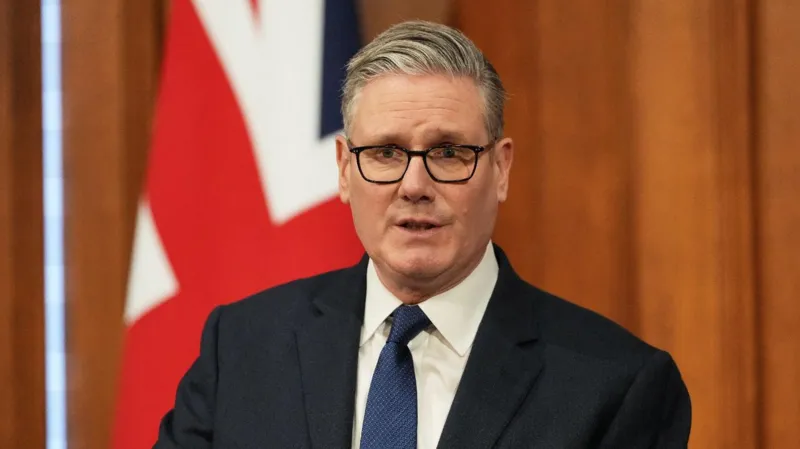
| Starmer asserts that the Iran conflict will lead the UK to seek closer ties with the EU. (Image: Reuters) |
Sir Keir Starmer has stated that in light of the war in Iran, the United Kingdom will seek closer economic ties with the European Union. The prime minister told a news conference he would use a summit with the EU later this year to seek more cooperation with the bloc on the economy and security.
It comes at a time when the PM's refusal to get further involved in the war with Iran has been causing tensions between the US and the UK. In his speech, Sir Keir warned the conflict would impact the UK but sought to reassure the public the government was taking action to ease the cost of living.
Opposition parties are requesting that the Prime Minister explain right away how the government intends to shield citizens from rising energy costs. The Conservatives and Reform UK are both calling for VAT to be taken off household energy bills, while arguing the hike in fuel duty scheduled for September should be cancelled.
The Liberal Democrats are also calling for the increase not to go ahead, while the Greens say the government should commit billions of pounds now to subsidise energy bills from July, when the price cap is recalculated.
The SNP argues that Holyrood ought to have control over energy policy, while Plaid Cymru stated that the government ought to specify right away what assistance would be provided in the event that energy bills rise.
"We are well-placed to weather it and we have a long-term plan to emerge from it a stronger and more secure nation," Sir Keir stated. He highlighted a number of measures coming into force from this month aimed at easing the cost of living, including removing some green levies from energy bills and increasing the national living wage.
The prime minister insisted that the government had focused on the cost of living "ahead of the game." However, the Organisation of Economic Co-operation and Development has warned the UK is facing the biggest hit to economic growth from the war out of major economies.
Sir Keir responded that the rate would remain the same until September when asked if he would reassure motorists that the fuel duty increase would not occur. "A lot will depend on how long the conflict goes on" and how quickly the Strait of Hormuz can be reopened, he said, adding that support for families would be monitored. Meanwhile, the foreign secretary is hosting a virtual meeting of 35 nations - including European and Gulf countries - on Thursday.
The Prime Minister stated that the meeting would discuss various options for making the Strait of Hormuz "accessible and safe after the fighting has stopped."
He added that "this will not be easy" but said it was in the UK's national interest for the strait to reopen.
One of the busiest oil shipping routes in the world has been effectively blocked by Iran, which has raised wholesale gas and oil prices. When the current cap is reset in July, household energy bills in the UK are likely to rise as a result of a sustained rise in the price of oil.
The PM and Chancellor Rachel Reeves have made a number of interventions in recent months arguing for a closer trading relationship with the EU.
However, Sir Keir argued that this was more urgent because of the impact of the US-Israel conflict with Iran.
"It is increasingly clear that as the world continues down this volatile path, our long-term national interest requires closer partnership with our allies in Europe and with the European Union," he said.
He went on to say that "the opportunities to strengthen our security and cut the cost of living... are simply too big to ignore" and that "Brexit did deep damage to our economy."
A UK-EU summit is expected this summer, after the two sides struck a deal last May on areas including fishing rights, trade, defence and energy.
Sir Keir stated that the summit this year would be "more ambitious" in addition to "ratifying existing commitments made at the summit last year." The PM was asked if the UK was heading towards rejoining the EU single market, which enables goods, service and people to move freely between member states, with countries applying many common rules and standards.
He responded, "I do believe that we should strengthen our cooperation on defense, security, energy, emissions, and the economy." "I'm ambitious that we can do more in relation to the single market, because I think that's hugely in our economic interests."
However, he said Labour's election manifesto commitment that there would be no return to the single market, the customs union or freedom of movement remained.
The Liberal Democrats have called for the government to go further and negotiate a customs union - an agreement not to charge taxes called tariffs on goods coming from other EU countries, and to charge the same tariffs as each other on goods coming from outside the EU.
Meanwhile, the Conservatives accused the PM of blaming his failings on Brexit.


 Posts
Posts


0 Comments