
 |
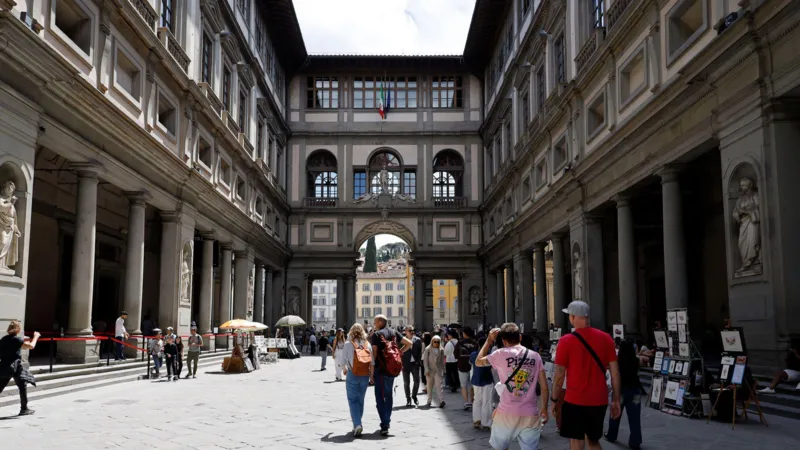
| The Uffizi Galleries are among the most visited in the world (Image: Wirestock) |
The Uffizi Galleries in Florence have confirmed they were subject to a cyber-attack - but denied that the security systems protecting their famous works had been compromised.
The Uffizi stressed that nothing had been either damaged or stolen, after hackers were reported to have infiltrated the museum's IT systems and accessed sensitive security data.
The Italian newspaper Corriere della Sera reported that hackers had broken into the museums' IT systems and demanded a ransom before allegedly stealing access codes, internal maps, and the locations of alarms and CCTV cameras. But the Uffizi contested this account, saying its security systems were inaccessible from the outside.
According to Corriere, the intruders appeared to have gradually assembled a comprehensive picture of the museum's operations by moving through interconnected systems, computers, and phones. According to the newspaper, a ransom demand along with a threat to sell the data on the dark web was later sent to the personal phone of museum director Simone Verde. Some of Italy's most famous works are housed in the Uffizi Gallery, including Primavera and Botticelli's Birth of Venus. According to Corriere, the Uffizi's separate sites at Palazzo Pitti and the Boboli Gardens were also affected by the cyberattack, which took place between the end of January and the beginning of February. The museum later clarified that the breach occurred on February 1.
READ MORE: Everything we know about the Louvre jewellery heist
All major museums have had to reevaluate their security since the October raid on the Louvre museum in Paris, which resulted in the theft of priceless historical artifacts and the masked gang appearing to be able to exploit the museum's shaky and outdated CCTV system. The Uffizi stated that "both before and after the cyber-attack," work that was already underway had been accelerated. Its situation was "nothing like the Louvre", it stressed, with analogue cameras replaced with digital ones, following recommendations made by the police in 2024.
Responding to claims that the hackers had found out the location of surveillance cameras and sensors, it said there was "no evidence whatsoever that the hackers possessed any maps of the security systems".
Anyone walking through the museum could see were the cameras were, as was the case with any public space, it said, so there was little surprise that their location had been found out.
"No passwords were stolen - none whatsoever - because the security systems are entirely internal and closed-circuit," it said, adding that employees' phones had also not been compromised by the hack.
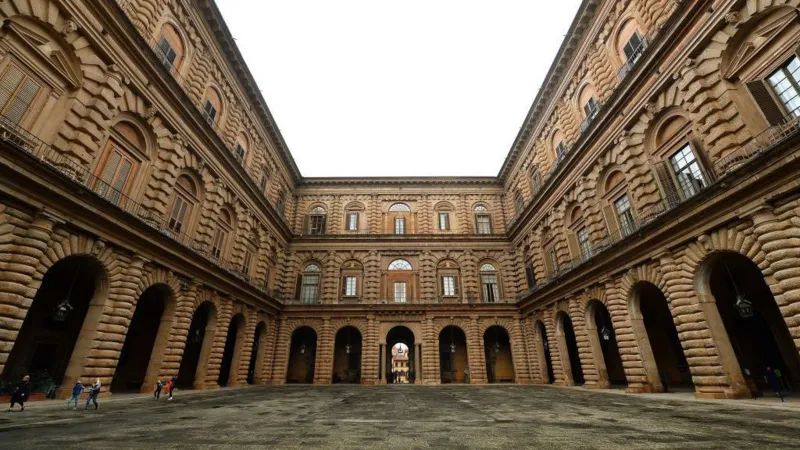 |
| The Palazzo Pitti ws the summer residence of the Medici family (Image: Getty Images) |
The "Medici Treasure," so-called because the powerful Renaissance banking family spent their summers there, is normally located on two floors of the Palazzo Pitti. However, according to Corriere, the hack caused parts of the palace to be closed since February 3 and valuable items to be temporarily transferred to a Bank of Italy vault for safekeeping.
Source: BBC


 Posts
Posts


0 Comments